
Pizza according to Rome: a free masterclass and dedicated course at METRO Academy Milan
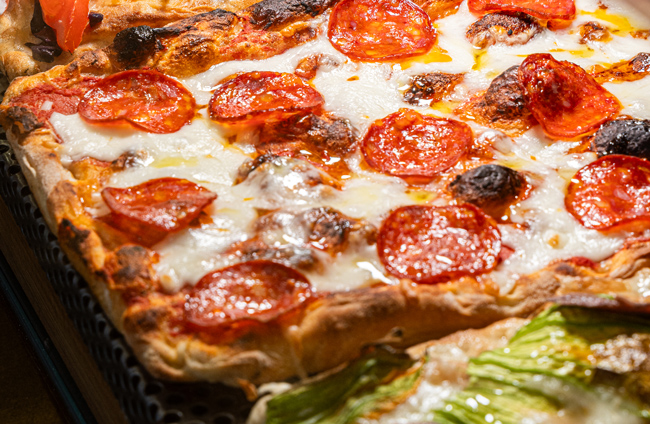
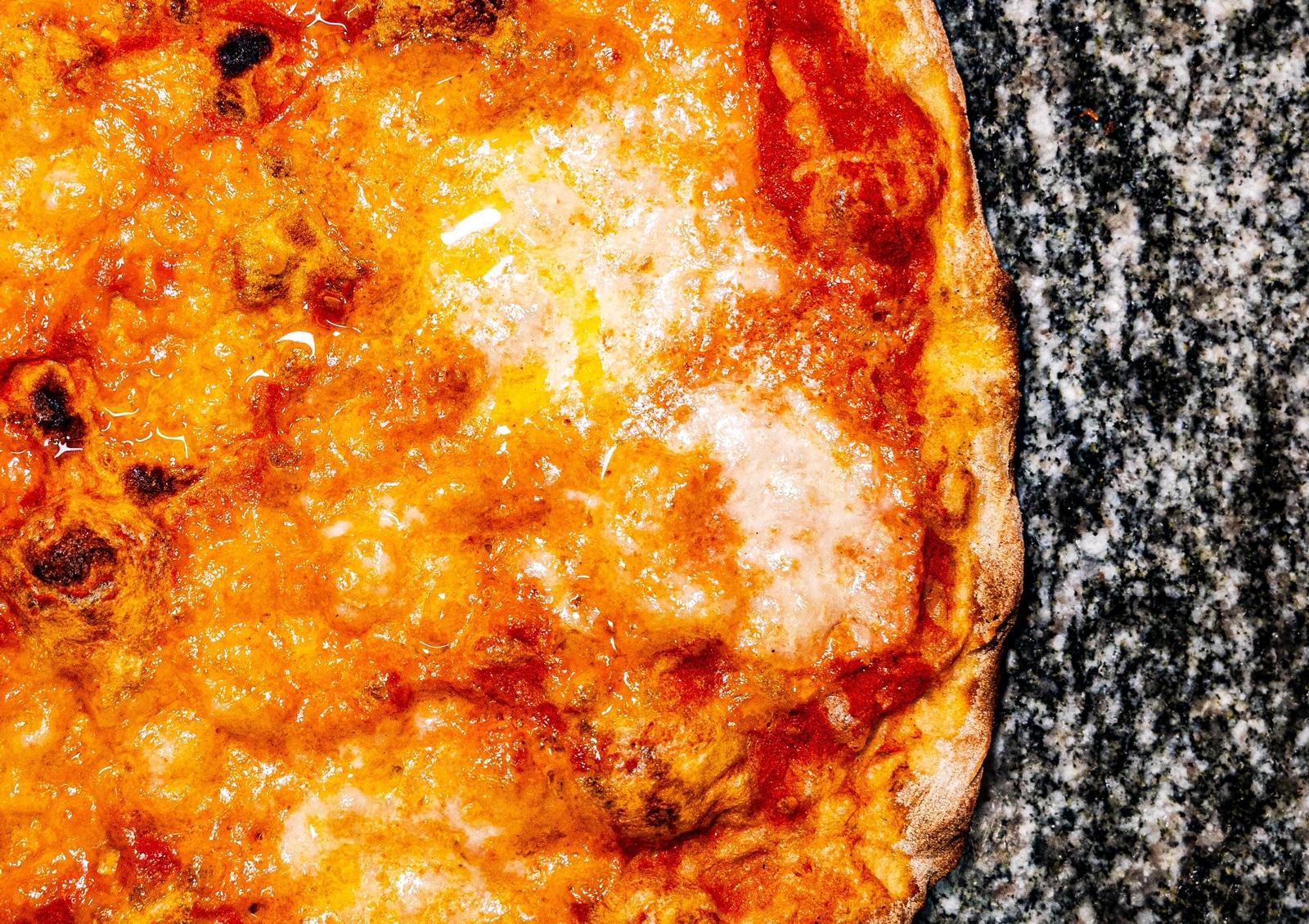
On April 27, at METRO Academy Milano, Scuola Italiana Pizzaioli is organizing a free masterclass dedicated to Roman pizza in all its forms. The title, “Pizza according to Rome: four styles, one vision: pala, teglia, pinsa and tonda romana between tradition and contemporaneity.”
Conducting the masterclass will be Education Director Luca Gaccione, joined by Daniele Covi, a professional with two establishments in Ostia and a long field experience in Roman styles. An open event designed for those who want to begin to understand – or delve deeper into – a fast-growing style of pizza.
The masterclass will also be the starting point for a more structured course: in fact, from May 18 to 20, also at METRO Academy Milano, the course will be held “Pizza according to Rome. Pinsa, pala, teglia and tonda romana.” Three days with Luca Gaccione to go into the details of each style, with Daniele Covi protagonist on the final day of May 20 to bring to the classroom the story and direct experience of those who work these products every day.
Because Roman pizza, because now.
The pizza market in Italy has not stopped growing: more than 8 million pizzas consumed every day, a total value exceeding 15 billion euros a year. But what is new in recent years is not growth per se, but diversification. Pizza is no longer a single product: it is an articulated system of styles, techniques and consumption patterns.
Between 2015 and 2022, the market was dominated by the rise of contemporary Neapolitan pizza. Today, the picture has changed. According to the main industry surveys (FIPE, CNA, Osservatori horeca), there is a growing demand for alternative products: teglia, pala and pinsa are increasingly present on menus, especially in urban settings and in casual dining.
Pan and shovel bring with them concrete advantages, including:
● higher productivity (up to +30% compared to traditional round in terms of hourly service)
● ease of counter and service management
● Perception of lightness related to high hydrations (70-90%) and long maturations
Pinsa, for its part, has experienced significant growth over the past decade, with strong expansion abroad as well. Its strengths include high digestibility and innovation in doughs and fillings.
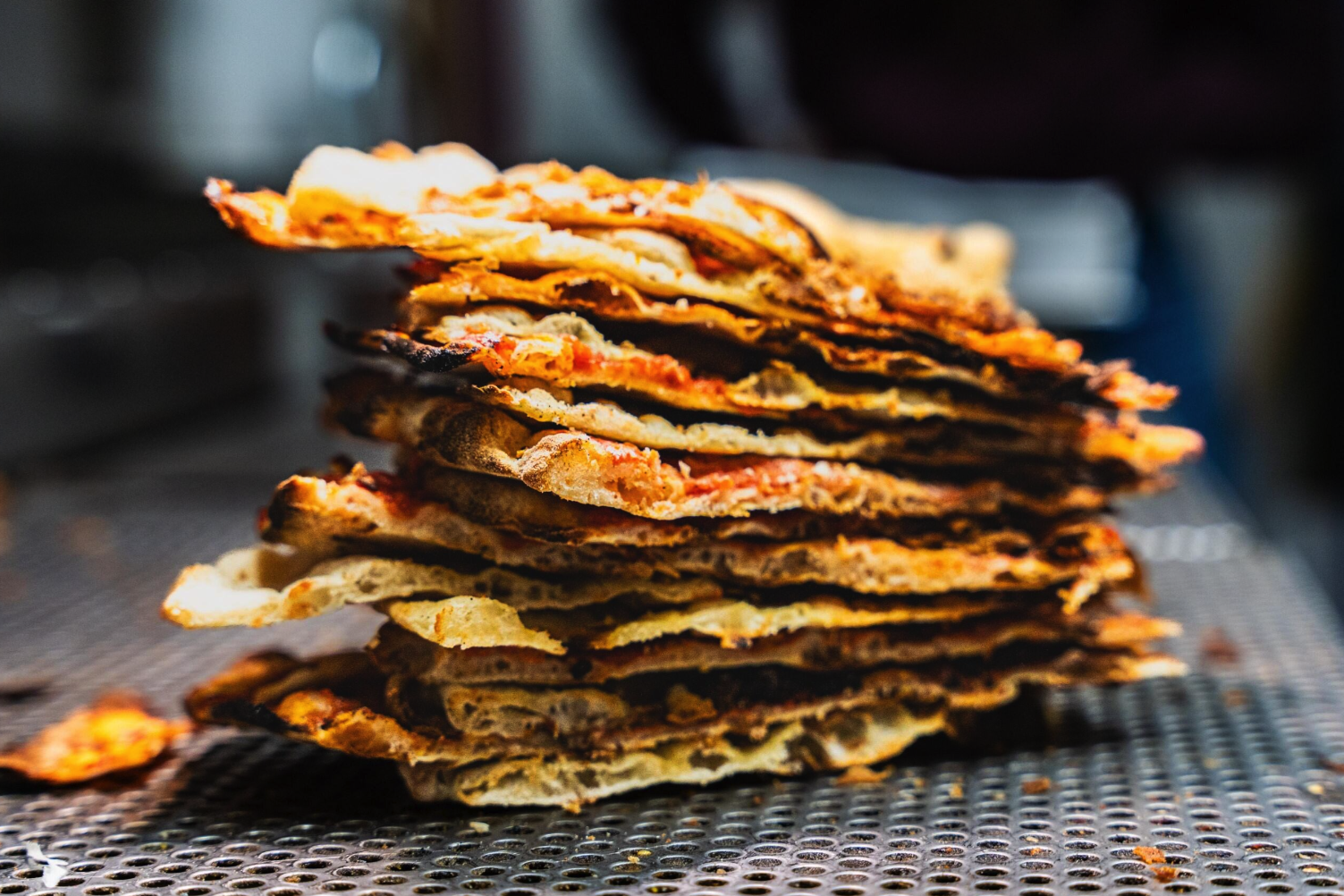
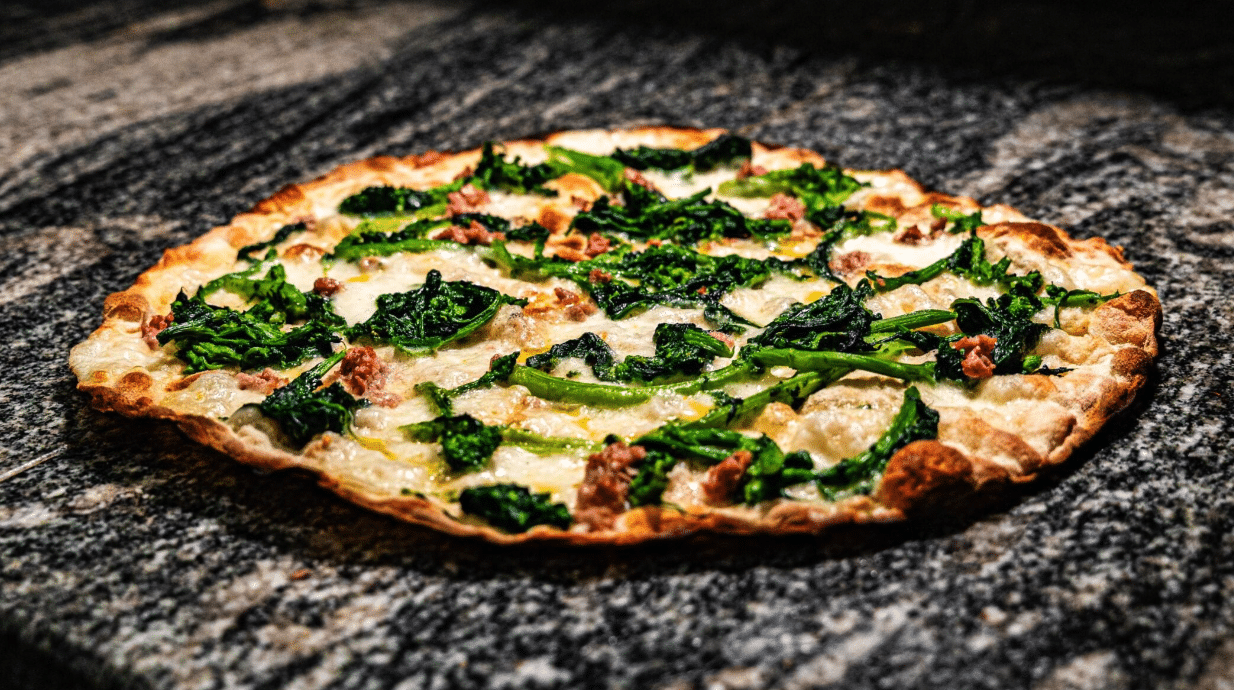
The most significant sign, however, concerns crispy round Roman pizza. In major Italian cities-Milan, Rome, Turin, Bologna-more than 20 percent of new pizzerias opened in the past 24 months offer a thin, crispy version of Roman pizza. Terms such as“scrocchiarella” and“contemporary Roman” are increasingly appearing on menus and in digital communication.
A new technical generation to respond to new tastes
Consumer interest is therefore shifting toward pizzas with low residual moisture and high crispness, perceived as lighter and easier to eat. This, by now, is a fact. The ongoing change is supported by definite reasons, including:
● saturation of the Neapolitan model in some urban areas
● search for alternative sensory experiences (crispy instead of fluffy)
● increased attention to product rotation and consumption times
● adaptability of the product to new formats (evolved delivery, sharing, tasting)
Behind this trend is also adefinite technical evolution. Contemporary Roman pizza surpasses the traditional version through the use of preferments such as biga and poolish, advanced hydration, rolling techniques, and double baking to stabilize texture and amplify crispness. Roman styles are no longer just a local expression: they have become an area of technical innovation within the industry.
For Scuola Italiana Pizzaioli, intercepting this trend today means entering a growth phase that is still unsaturated, with wide margins for differentiation. The April 27 masterclass and the May 18-20 course are built for exactly that.